
World Digestive Health Day is a timely reminder of just how much digestive health matters. Influencing everything from energy and mood to self-confidence, stress levels, and immunity. It’s also an opportunity to have more open conversations about the topics many people still feel embarrassed to discuss, including bloating, bowel habits, reflux, stomach pain, and food intolerance.
While digestive symptoms are often dismissed as “just stress” or something people should quietly manage, digestive discomfort is incredibly common - and for many, it can significantly affect quality of life.
Around 33% of UK adults report experiencing gut health-related issues such as bloating, gas, heartburn and stomach pain (1). Nearly one in five people in the UK may live with irritable bowel syndrome (IBS) - affecting both adults and children (2). At the same time, hospital admissions linked to gastrointestinal diseases in the UK increased by over 84% between 1999 and 2019, highlighting the growing burden digestive conditions place on public health (3).
As conversations around gut health become more open, many people are also beginning to ask whether supplements such as CBD may have a place within a broader intervention - particularly for people living with IBS or sensitive digestion.
As a Clinical Nutritionist, I often speak with people who feel uncertain about what their digestive symptoms may mean, whether certain supplements will suit their stomachs, or how to avoid further aggravating symptoms. In many cases, the goal is not simply to “push through” discomfort, but to better understand what the body may be communicating and choose support that feels manageable, gentle, and appropriate.
In this article, we’ll explore common digestive conditions, what IBS actually is, how CBD can play a role in IBS and practical ways to minimise discomfort when choosing CBD products for sensitive digestion.
Common digestive problems
Digestive health exists on a broad spectrum. Some people experience occasional bloating or reflux after certain meals, while others live with chronic gastrointestinal conditions that affect work, sleep, relationships and mental wellbeing.

Acid reflux
Acid reflux occurs when stomach acid travels back into the oesophagus, causing symptoms such as heartburn, chest discomfort, nausea or a sour taste in the mouth. For some individuals, symptoms may worsen after eating large meals, spicy foods, caffeine or alcohol.
Frequent reflux may develop into gastro-oesophageal reflux disease (GORD), a more persistent condition that sometimes requires medical treatment and dietary adjustments.
Irritable Bowel Syndrome (IBS)
IBS is one of the most common digestive disorders in the UK. It affects how the bowel functions and can cause symptoms such as bloating, abdominal pain, diarrhoea, constipation or fluctuating bowel habits.
Although IBS does not cause structural damage to the digestive tract, symptoms can still be severe and disruptive. Many individuals with IBS report that stress, hormonal fluctuations, certain foods and poor sleep can worsen symptoms.
Because IBS symptoms often fluctuate, many people spend years trying different dietary approaches, supplements and lifestyle strategies to better manage digestive comfort.
Inflammatory Bowel Disease (IBD)
IBD is different from IBS and includes chronic inflammatory conditions such as Crohn's Disease and Ulcerative Colitis.
These conditions involve ongoing inflammation within the digestive tract and may cause symptoms including:
- Severe abdominal pain
- Persistent diarrhoea
- Rectal bleeding
- Weight loss
- Fatigue
- Nutrient deficiencies
IBD typically requires specialist medical care and ongoing monitoring. Flare-ups can significantly affect daily life, mental health and nutritional status.
Celiac disease
Celiac Disease is an autoimmune condition triggered by gluten consumption. When someone with coeliac disease eats gluten, the immune system attacks the lining of the small intestine, affecting nutrient absorption.
Symptoms may include:
- Chronic bloating
- Diarrhoea
- Fatigue
- Weight loss
- Anaemia
- Abdominal pain
Strict lifelong gluten avoidance is currently the only effective treatment.
General digestive sensitivity
Not everyone with digestive symptoms receives a formal diagnosis. Many individuals experience ongoing digestive sensitivity, including:
- Bloating
- Nausea
- Gas
- Cramping
- Food intolerances
- Stomach discomfort after supplements or medications
This sensitivity can make choosing supplements difficult, particularly when products contain sweeteners, flavourings or oils that may aggravate symptoms.
What is IBS and why digestion can feel sensitive?
IBS, or irritable bowel syndrome, is considered a disorder of gut-brain interaction. In simple terms, this means that communication between the digestive and nervous systems may become more sensitive or dysregulated.

IBS does not look the same for everyone. The main subtypes include:
- IBS-C: constipation-predominant IBS
- IBS-D: diarrhoea-predominant IBS
- IBS-M: mixed bowel patterns
- IBS-U: unclassified IBS
Common IBS symptoms include:
- Abdominal pain
- Cramping
- Bloating
- Excess gas
- Constipation
- Diarrhoea
- Urgency after eating
- Feeling unable to fully empty the bowel
Many individuals with IBS also report heightened food sensitivity and increased stress-related digestive symptoms.
The gut and nervous system are closely connected through what is often called the “gut-brain axis”. Stress, anxiety and poor sleep may therefore influence digestive symptoms, which partly explains why IBS can sometimes feel unpredictable.
For this reason, people often explore broader wellbeing approaches alongside medical support, including dietary strategies, stress management techniques and supplements such as CBD for IBS.
Where CBD fits in

CBD, short for cannabidiol, is a naturally occurring compound derived from the hemp plant. Unlike THC, CBD is non-intoxicating, meaning it does not produce a “high.”
CBD is commonly used within wellness routines to support areas such as:
- Relaxation
- Sleep quality
- Stress management
- General wellbeing
In recent years, interest in CBD for IBS has grown, particularly among individuals looking for gentle supplement approaches that fit alongside broader lifestyle strategies.
While research into CBD and digestive health is still developing, some people with IBS or sensitive digestion are interested in CBD because of the relationship between the nervous system, stress responses and digestive comfort.
CBD is not a cure for IBS, IBD or other digestive diseases. It should not replace professional medical care or prescribed treatment plans. However, some individuals may find it useful as part of a wider wellbeing toolkit focused on stress reduction, sleep support and daily balance.
As a Clinical Nutritionist, I often encourage people to approach CBD for IBS carefully and practically, especially if they already experience digestive sensitivity. Product formulation, serving size and ingredient quality can all influence tolerability. If you're unsure where to start, book a free 15-minute consultation with me for tailored, no strings attached guidance, or book a deeper 50-minute consultation for a 8-week practical action plan suited to your individual needs.
Which CBD format is gentler for IBS and sensitive digestion?
Not all CBD products feel the same from a digestive perspective. Some formats may suit sensitive stomachs better than others, depending on the individual.
CBD oils and tinctures
CBD oils are among the most used formats. They are usually taken under the tongue and may offer flexibility because serving sizes can be adjusted gradually.
For individuals with IBS or digestive sensitivity, simpler oil formulations with minimal ingredients may feel easier to tolerate.

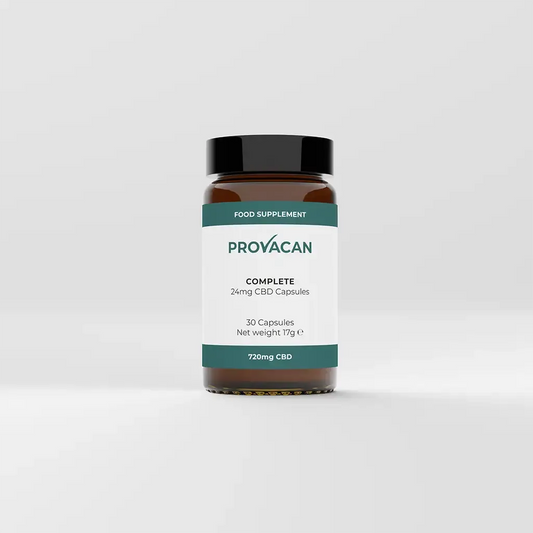
CBD capsules
Capsules offer convenience and precise dosing, which some individuals prefer for routine use.
However, capsules pass directly through the digestive system, meaning ingredient sensitivity may become more noticeable in some people with IBS.
Choosing capsules with minimal fillers and additives may help reduce unnecessary digestive irritation.

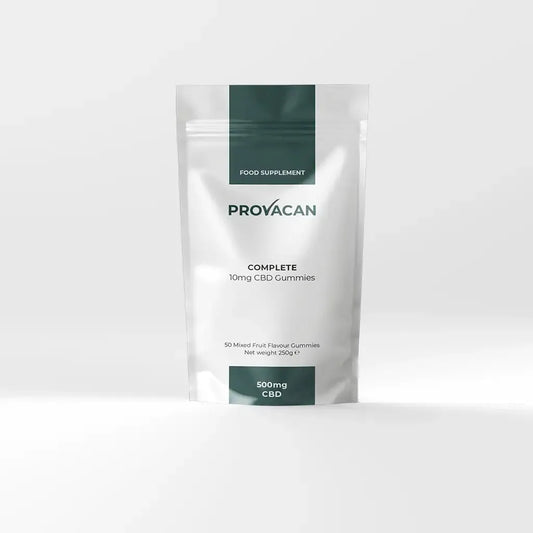
CBD gummies
Gummies are popular because they are easy to take and taste pleasant, but they may not always be ideal for sensitive digestion.
Some gummies contain possible IBS triggers such as sugar alcohols, artificial flavourings, sweeteners, gelatine and colourings
These ingredients may aggravate bloating, gas or digestive discomfort in sensitive individuals.
THC-free and broad-spectrum CBD
Many people with digestive sensitivity prefer THC-free or broad-spectrum CBD products.
Broad-spectrum CBD contains multiple hemp compounds while removing detectable THC, which some users feel offers a gentler introduction to CBD for IBS and digestive wellness.
The best option often depends on individual tolerance, lifestyle and digestive patterns rather than one single “perfect” product type.
How to minimise discomfort

When introducing CBD for IBS or sensitive digestion, a cautious and practical approach is usually best.
Start low and go slow
Beginning with a lower serving size allows the digestive system time to adjust. Gradually increasing intake may help individuals better understand their own tolerance levels.
Choose simpler formulations
Products with fewer ingredients are often easier for sensitive stomachs to tolerate.
Look for formulations without excessive flavourings, sweeteners or unnecessary additives where possible.
Consider taking CBD with food
Some individuals find CBD oils or capsules feel gentler when taken alongside meals rather than on an empty stomach.
Avoid excessively sweetened products
Sugar alcohols and artificial sweeteners may worsen bloating or digestive discomfort for some people with IBS.
Consider THC-free or broad-spectrum options
For individuals concerned about sensitivity, THC-free or broad-spectrum products may feel more manageable.
Think about lifestyle compatibility
Consistency matters with any wellness routine. Choosing a format that suits daily habits, work schedules and digestive comfort may improve long-term adherence.
This is often where professional guidance can help. Personalised consultations can help in identifying products and broader lifestyle habits that feel realistic and supportive alongside digestive health goals. Provacan offers free, no strings attached 15mn consultations to give a helping hand.
When to be cautious
Anyone with:
- Diagnosed digestive disease
- Persistent symptoms
- Pregnancy
- Medication use
- Significant abdominal pain
- Unexplained weight loss
should speak with a qualified healthcare professional before introducing supplements, including CBD.
Persistent digestive symptoms should always be properly investigated rather than left to self-management indefinitely.
How to choose a CBD supplement
With so many CBD products available, quality and transparency matter.
When considering CBD for IBS or sensitive digestion, it may help to look for:
- Third-party laboratory testing
- Clearly labelled CBD content per serving
- Minimal unnecessary additives
- UK-compliant labelling
- Transparent sourcing information
Choosing products from reputable UK brands may also help individuals feel more confident about consistency and product standards.
For people with sensitive digestion, careful product selection is often just as important as the CBD itself.
Final thoughts: gentle steps forward
World Digestive Health Day is an important reminder that digestive health deserves greater attention, understanding and support.
From IBS and acid reflux to inflammatory bowel disease and general digestive sensitivity, gastrointestinal symptoms can affect far more than digestion alone. They can influence confidence, work, sleep, emotional wellbeing and overall quality of life.
As awareness grows, more individuals are exploring supportive lifestyle strategies that work alongside medical care. Interest in CBD for IBS reflects this broader movement toward gentle, practical wellbeing approaches tailored to individual needs.
While CBD is not a cure for digestive conditions, some people may find it helpful as part of a wider routine focused on stress management, sleep, relaxation and overall balance.
The most important step is always to listen to the body carefully, approach supplements thoughtfully, and seek professional support when symptoms persist.
For individuals navigating digestive discomfort and considering whether CBD may suit their lifestyle, personalised consultations and evidence-aware guidance can help make the process feel clearer, calmer and more manageable.
Sources
- OnePoll, 2023. Improving gut health: a growing British love story. https://blog.onepoll.com/improving-gut-health-a-growing-british-love-story
- UK Biobank, 2020. Factors related to irritable bowel syndrome and differences among subtypes: a cross-sectional study in the UK Biobank. https://www.ukbiobank.ac.uk/publications/factors-related-to-irritable-bowel-syndrome-and-differences-among-subtypes-a-cross-sectional-study-in-the-uk-biobank/
- Khader, Y., et al., 2024. Trends in gastrointestinal disease admissions in the UK. https://pmc.ncbi.nlm.nih.gov/articles/PMC11018217/
- National Institute of Diabetes and Digestive and Kidney Diseases (NIDDK), 2023. Symptoms and causes of irritable bowel syndrome. https://www.niddk.nih.gov/health-information/digestive-diseases/irritable-bowel-syndrome/symptoms-causes