
Winter has a way of leaving its mark. After months of heavier foods, shorter days, and a body in quiet conservation mode, spring doesn't just change the scenery – it changes biology. Longer days, rising temperatures, and a natural shift in what's growing, all send clear signals to the body: it's time to reset.
Seasonal eating is one of the oldest principles in human health – an intuitive alignment between what the earth offers and what the body needs. Spring is perhaps the most significant chapter of that cycle; a season of growth, fresh abundance, and an opportunity to recalibrate.
From a clinical nutrition standpoint, this isn't about deprivation, juice cleanses, or extreme detox protocols. It's about something more practical and more powerful: supporting the body's own systems. That means nurturing gut health, improving biotransformation - the process by which the body converts food into usable energy -and building the kind of microbial diversity that comes from eating a wide variety of whole, seasonal foods.
The outcome is a body that isn't struggling against the season but functioning well within it.
Why spring seasonal eating supports a natural reset
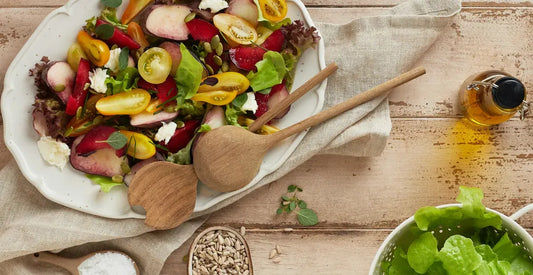
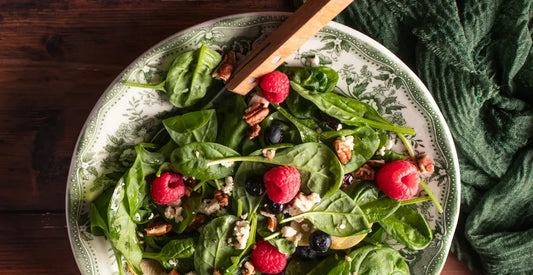
Springtime is a great opportunity to transition away from heavier, comfort-focused foods that dominate the colder months and focus on lighter, fresher ingredients, such as bitter greens, herbs, tubers, and stems like rhubarb. This change aligns with both local availability and internal cues: as daylight hours increase, exposure to sunlight can influence circadian rhythms, energy levels, and metabolic activity. Many people notice a reduced appetite for dense foods and a greater craving for meals rich in fibre, water, and repairing plant compounds such as polyphenols.
During winter, reduced physical activity and lower sunlight exposure can indirectly affect digestive regularity and metabolic processes. While the body can maintain its own detoxification systems, sometimes it can use a helping hand, and spring offers an opportunity to support these natural pathways through diet. A gentle increase in fibre and water intake, from carrots, peas, radishes, spinach and spring greens can aid digestive motility. Plus, natural prebiotics such as artichoke, leeks, garlic and asparagus help to feed and rebalance the gut microbiota.
Holistic medicine systems such as Traditional Chinese Medicine (TCM) and the Indian practice of Ayurveda have been used for thousands of years to help maintain health. Both systems agree that the focus should be on lighter, fresher ingredients. Think less stews, more salads and removing stagnation by increasing exercise, plus introducing detoxification routines, such as skin brushing. In western naturopathic terms, this can be interpreted as supporting normal digestive processes, particularly supporting bile production and flow. Bitter foods such as rocket, dandelion leaves, and chicory are often highlighted as liver detox foods, not because they “cleanse” the liver directly, but because they can stimulate digestive secretions and support efficient fat digestion.
In simple terms, helping the body to do what it already does but removing any unnecessary burdens.

What’s in season? Spring seasonal vegetables UK (March-May)
Sometimes, when you’re in the supermarket, it may be tough to know what the “right” plant foods are for the time of year. However, there are some clues. Look for vegetables that feel fresh, light, and vibrant. Spring produce is usually tender, bright green, and less dense than winter varieties. Think asparagus, peas, spring greens and radishes. Leaves should be crisp, not wilted; stems firm, not woody. Another clue is that seasonal produce is often displayed prominently and priced lower because of its abundance. Check labels for local or UK-grown sources, as these are more likely to be in season, and avoid overly large or tough vegetables. Fresh herbs like mint and parsley also signal spring (1,2).
When in doubt, think young, green and delicate.
If you want to ensure you’re getting diversity this season, we’ve created a cheat sheet you can use at your local supermarket. Most plant foods should be familiar, but to find some of the more unusual or specialist items, such as sorrel, you may want to try a local organic farmers' market or a veg box company such as Riverford.
| Month | Fruits (UK) | Vegetables & greens (UK) |
|---|---|---|
| March | Rhubarb | Artichoke, beetroot, cabbage, carrots, chicory, leeks, parsnips, purple sprouting broccoli, radishes, spring greens, spring onions, watercress |
| April | Rhubarb | Artichoke, beetroot, cabbage, carrots, chicory, kale, morel mushrooms, new potatoes, parsnips, radishes, rocket, sorrel, spinach, spring greens, spring onions, watercress |
| May | Elderflowers, rhubarb, strawberries | Artichoke, asparagus, aubergine, beetroot, chicory, chillies, lettuce, marrow, new potatoes, peas, peppers, radishes, rocket, samphire, spinach, spring greens, spring onions, watercress |

Spring greens benefits: the power of bitter foods for digestion from a naturopathic nutrition perspective
Firstly, what is naturopathic nutrition? To put it simply, it’s a way of eating that supports the body’s natural healing processes. It focuses on whole, minimally processed foods and seasonal produce, and takes a personalised approach rather than a “one size fits all” dietary model. The aim is to improve digestion, energy, balance, and promote vitality through nourishing food and healthy lifestyle habits.
Considering the premise of personalisation, Spring eating doesn’t and shouldn’t look the same for everyone, but there is an overarching theme for the time of the year. It’s a time of renewal, awakening and re-vitalising energy levels.
Seasonal transition may look a little different for everyone – some people undertake fasts in spring to give the digestive system a chance to rest and support bodily repair processes. However, for some, fasting can add to the stress of an already challenging transition. For most, the answer lies somewhere in the middle, and it’s simply a time for gentle habit changes. Possibly reducing the caffeine-fuelled coffee run for a gentler green tea morning ritual. Spending more time outside and reconnecting with our primitive selves – gardening, growing, walking, climbing and watching the changing landscape.
From a food plate perspective, bitter foods such as rocket, watercress, radicchio, dandelion leaves, and asparagus are a useful addition. Their natural compounds trigger the secretion of saliva, gastric juices, and bile, all of which are essential for breaking down fats and efficiently absorbing nutrients. This makes them especially valuable for anyone looking to support digestion or incorporate more detox-supportive foods into their diet.
The reason Nutritionists love bitter compounds is that they interact with receptors in the digestive tract, promoting enzyme secretion and improving gut motility. This means food moves more efficiently through the system, reducing bloating and sluggishness. In addition, spring foods like spring onions and wild garlic are rich in sulphur-containing compounds, which support liver enzyme activity and enhance the body’s natural detoxification pathways.
Some standout spring “heroes” include:
- Rocket – rich in glucosinolates, which support liver detoxification and cellular protection.
- Watercress – packed with antioxidants that help combat oxidative stress and support overall vitality.
- Radicchio – contains inulin, a prebiotic fibre that nourishes beneficial gut bacteria.
- Dandelion greens – traditionally used to support bile flow and liver health.
- Asparagus – a natural diuretic that helps reduce water retention and supports kidney function.

Seasonal eating for gut health: prebiotics & microbiome diversity
Over winter, diets often become lower in fibre and less varied, which can leave the microbiome underfed and contribute to sluggish digestion, low energy, and a lingering “heavy” feeling. Eating seasonally in spring introduces a wider range of plant fibres and protective compounds, supporting microbial diversity and helping the body feel lighter and more energised for the lighter days ahead (3,4).
Asparagus is a standout spring food because it contains inulin, a prebiotic fibre that feeds beneficial gut bacteria and supports a healthier microbial balance. Peas and leeks provide fructo-oligosaccharides (FOS), which help nourish microbes and encourage a more resilient ecosystem. Spring greens such as rocket, spinach, and watercress add polyphenols alongside fibre, creating a more diverse food supply for the microbiome while also supporting digestion and overall vitality (5,6).
The key benefit of seasonal eating for gut health is diversity. The more types of fibre and plant compounds you eat, the more varied your gut bacteria can become. This matters because a diverse microbiome is generally associated with better digestion, regular bowel movements, and stronger metabolic health. When the gut community is less diverse, food may be processed less efficiently, which can manifest as bloating, sluggishness, or poor elimination (3,4).
Use the table below as you do your weekly shop – aim for at least one from each row. That way, you’re supporting a diverse microbiome by feeding a range of good microbes, crowding out the bad and supporting a strong epithelial barrier.
| Benefit | Foods |
|---|---|
| Probiotic | Kefir, live yoghurt, sauerkraut, kimchi, fermented pickles |
| Prebiotic – inulin | Asparagus, dandelion greens, Jerusalem artichokes, leeks, onions |
| Prebiotic – FOS | Asparagus, garlic, leeks, onions, peas |
| Prebiotic – GOS | Chickpeas, lentils, other legumes, peas |
| Prebiotic starches | Cooked and cooled potatoes, green bananas, oats, pulses |

Spring seasonal vegetables in the UK: the hero foods to add to your plate
Spring is one of the easiest times to eat more seasonally in the UK, with fresh greens, tender shoots, herbs, and early root vegetables all coming into their own. These foods are naturally lighter, fibre-rich, and packed with plant compounds that support digestion, energy, and the body’s normal detoxification processes.
| Food | Nutrients | Key benefits | Serving idea |
|---|---|---|---|
| Asparagus | Folate, inulin, fibre | Supports digestion and gut health | Steam and serve with olive oil and lemon |
| New potatoes | Complex carbohydrates, potassium, vitamin B6 | Supports energy and makes meals more filling | Boil and toss with herbs and olive oil |
| Peas | Plant protein, fibre, B vitamins | Supports satiety and blood sugar balance | Add to risottos, pasta, or spring salads |
| Radishes | Fibre, potassium, vitamin C | Supports gut-friendly seasonal variety and digestion | Slice into salads or pickle for a tangy side |
| Rocket & watercress | Bitter compounds, phytochemicals, vitamin C | Supports digestion and adds a peppery spring flavour | Use as a salad base or blend into pesto |
| Spinach | Folate, iron, vitamin C | Supports energy and nutrient intake | Wilt into pasta, omelettes, or salads |
| Spring greens | Fibre, folate, vitamin C | Supports energy and regularity | Shred into soups or quick sautés |
A simple rule for spring eating is to build meals around one bitter green, one source of fibre, and one colourful plant food. That gives you the diversity your gut microbiome thrives on while keeping meals light, satisfying, and seasonally appropriate.

What to pair your spring vegetables with for balanced meals
The importance of the gut and strong digestion is at the forefront of Nutritional Therapy, and quite rightly so. As we now know, the gut impacts every system in the body, from the skin to the brain, the liver, and beyond. However, we can’t forget the word Nutrition in Nutritional Therapy and how essential it is to ensure we’re providing the body with the building blocks it needs to repair: essential vitamins, minerals, and the macronutrients (fats, proteins and carbohydrates) (5).
| Food group | Spring foods in the UK | Key nutrients and macronutrients | Key benefits | Serving suggestion |
|---|---|---|---|---|
| Dairy | Cheese, cottage cheese, Greek yoghurt, kefir | B12, calcium, iodine, probiotics (in fermented dairy), protein | Supports bones, gut health, and steady energy | Kefir with strawberries and oats |
| Fruits | Apples, pears, rhubarb, strawberries | Fibre, natural sugars, polyphenols, vitamin C | Supports antioxidant defence, digestion, and immunity | Rhubarb compote with yoghurt |
| Grains | Barley, brown rice, oats, wholegrain bread | B vitamins, complex carbohydrates, fibre, magnesium, some protein | Provides slow-release energy and supports bowel regularity | Porridge topped with seasonal fruit |
| Meats | Chicken, eggs, lamb, turkey | B vitamins, healthy fats (in eggs), iron, protein, zinc | Supports energy production, muscle repair, and satiety | Roast lamb with spring greens and new potatoes |
| Pulses | Broad beans, chickpeas, lentils, peas | Complex carbohydrates, fibre, folate, iron, magnesium, plant protein | Supports blood sugar balance, digestion, and microbiome diversity | Broad bean salad with herbs and lemon |
| Vegetables | Asparagus, new potatoes, purple sprouting broccoli, radishes, spinach, spring greens, spring onions, watercress | Antioxidants, fibre, folate, potassium, some prebiotics, vitamin C, vitamin K | Supports detox pathways, gut health, immunity, and overall vitality | Steamed asparagus with eggs and wholegrain toast |

Spring greens recipes: healthy spring recipes for gut & liver support
Here are my top 3 favourite practical, UK-sourced spring recipes as a Clinical Nutritionist, all designed to support digestion, nutrient intake and a more vibrant spring plate.
🥗 Watercress & Radish Spring Salad

Ingredients (serves 2)
- 2 handfuls watercress
- 6–8 radishes, thinly sliced
- ½ cucumber, sliced
- 1 tbsp pumpkin seeds
- 1 tbsp extra virgin olive oil
- Juice of ½ lemon
- Pinch sea salt
Method
Toss all ingredients in a bowl, drizzle with olive oil and lemon juice, and finish with seeds.
Nutrition note
Rich in prebiotic compounds and bitter greens to stimulate digestion and support liver function. Best combined with a high-quality protein and fat source, such as grass-fed meat, wild fish, eggs, pulses, beans, tofu or dairy.
🍝 Rocket & Pea Pesto Pasta

Ingredients (serves 2)
- 150g wholegrain pasta
- 1 cup fresh peas
- 2 handfuls rocket
- 1 small garlic clove
- 2 tbsp olive oil
- 2 tbsp walnuts or pine nuts
- Squeeze lemon
Method
Cook pasta. Blend rocket, peas, garlic, nuts, oil, and lemon into a pesto. Toss through warm pasta.
Nutrition note
Fibre-rich peas and peppery rocket support microbiome diversity and gentle detox pathways. Best combined with a high-quality protein and fat source, such as grass-fed meat, wild fish, eggs, pulses, beans, tofu or dairy.
🥤 CBD-Infused Green Smoothie

Ingredients (serves 1)
- 1 handful spinach
- 1 handful watercress
- 1 kiwi
- Handful of strawberries
- Juice of ½ lemon
- 100–150ml milk, as preferred
- 1 scoop of quality protein powder (whey, plant or animal)
- 5–10mg CBD oil (e.g. from Provacan)
Method
Blend all ingredients until smooth, then stir in CBD oil at the end.
Nutrition note
Hydrating greens provide chlorophyll and antioxidants, while CBD may support calm, mood, and stress balance.
Practical tips for spring seasonal eating in the UK
- Shop smart. The best way to eat with the season is to source from those closest to the soil. Seek out your local farmers' market, where growers bring in whatever has come up that week – you'll find bundles of wild garlic, purple sprouting broccoli, and the first tender radishes long before supermarkets catch up. If a market isn't nearby, a weekly veg box subscription from a local farm does the same job, delivering whatever is at its peak and nudging you to cook more creatively (1,2).
- Preparing and storing seasonal veg. Spring greens are delicate, so act quickly. Blanch spinach, chard, or kale in boiling water for 60-90 seconds, then plunge into ice water to preserve their vivid colour and nutrients. Portion and freeze what you won't use within a couple of days. Radishes, meanwhile, are transformed by a quick pickle: slice thinly, cover in white wine vinegar, a pinch of salt, and a little sugar for 30 minutes. They'll keep in the fridge for a week and brighten up everything from salads to grain bowls.
- Living in sync with the season. Spring invites movement after winter's stillness. Gentle daily walks, stretching, or yoga support the body's natural shift into a more active rhythm. Stay well hydrated – herbal teas such as nettle or dandelion complement a spring diet. To support lymphatic circulation, try dry body brushing before your morning shower, using long strokes towards the heart. It takes three minutes and leaves you feeling refreshed, energised, and ready for the day ahead.

Final thoughts on spring seasonal eating
To conclude, spring doesn’t require a dramatic overhaul. It simply asks for small, consistent shifts. By choosing seasonal produce, increasing plant diversity, and embracing lighter, more vibrant meals, you naturally support digestion, energy, and enhance the feel-good factor.
Rather than viewing this time of year as a strict “cleanse”, it’s more helpful to see it as a rebalancing phase – a chance to reduce what no longer serves you and reintroduce what helps you thrive. Whether that’s adding bitter greens to your plate, trying a new recipe, or spending more time outdoors, these simple changes can have a meaningful impact.
Ultimately, seasonal eating is about reconnecting with food, with nature, and with your body’s internal rhythms. When approached with flexibility and consistency, it becomes a sustainable and enjoyable way to support long-term health.
And if you need a helping hand, you can book a Clinical Nutritionist consultation with me for tailored advice and a practical action plan on seasonal eating, gut health or building healthier routines this spring.
P.S. Don’t forget to tag us on social if you try and share any of the recipes so we can see them.
Sources
- Vegetarian Society (2024) Seasonal UK grown produce. https://vegsoc.org/blog/seasonal-uk-grown-produce/
- National Trust (2024) Guide to seasonal food. https://www.nationaltrust.org.uk/discover/gardening-tips/guide-to-seasonal-food
- Gibson, G.R. et al. (2017) ‘The concept of prebiotics and their role in gut health’, Nature Reviews Gastroenterology & Hepatology, 14(8), pp. 491–502.
- Sonnenburg, E.D. and Sonnenburg, J.L. (2019) ‘The ancestral and industrialized gut microbiota and implications for human health’, Nature Reviews Microbiology, 17(6), pp. 383–390.
- Calder, P.C. (2020) ‘Nutrition, immunity and COVID-19’, BMJ Nutrition, Prevention & Health, 3(1), pp. 74–92.
- Williamson, G. and Holst, B. (2008) ‘Dietary reference intake (DRI) value for dietary polyphenols: are we heading in the right direction?’, British Journal of Nutrition, 99(S3), pp. S55–S58.